Stomach Care
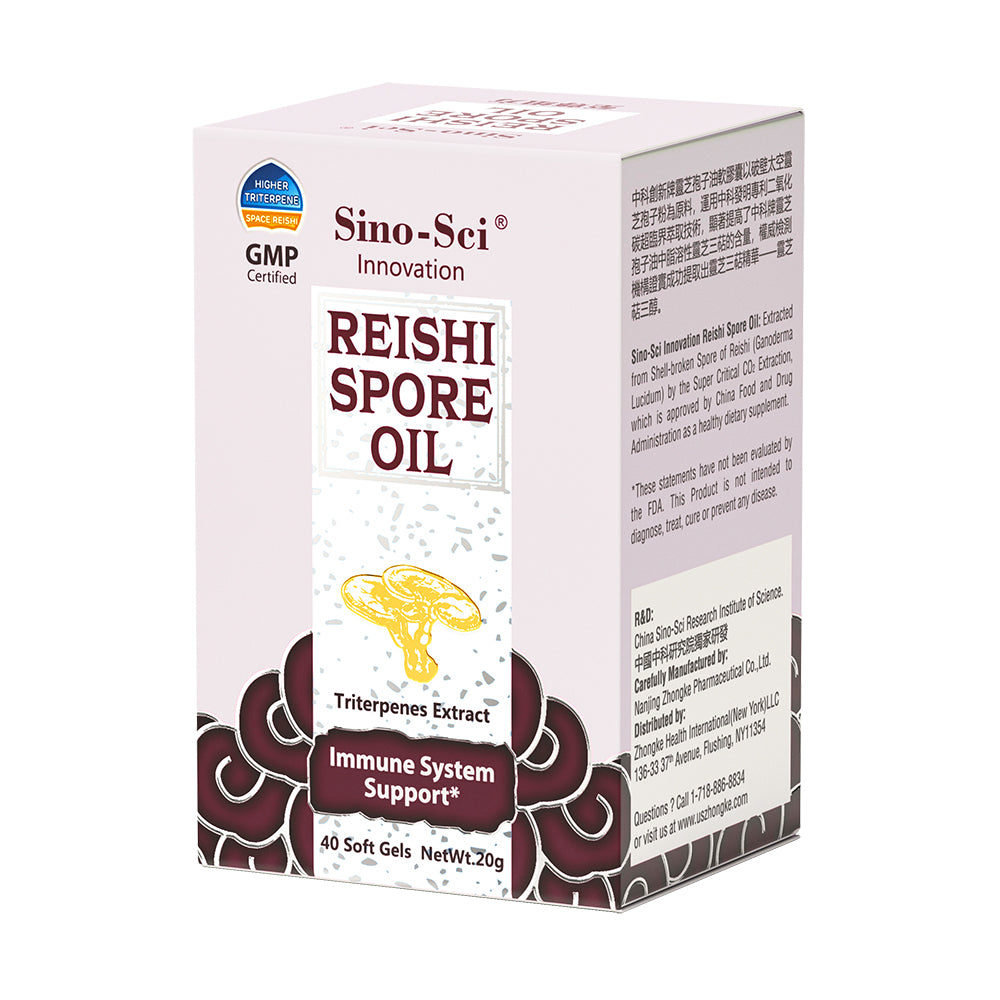
 Super Reishi Spore Oil
 3G Cordyceps
 Reishi Mushroom Spore
 Turkey Tail Mushroom
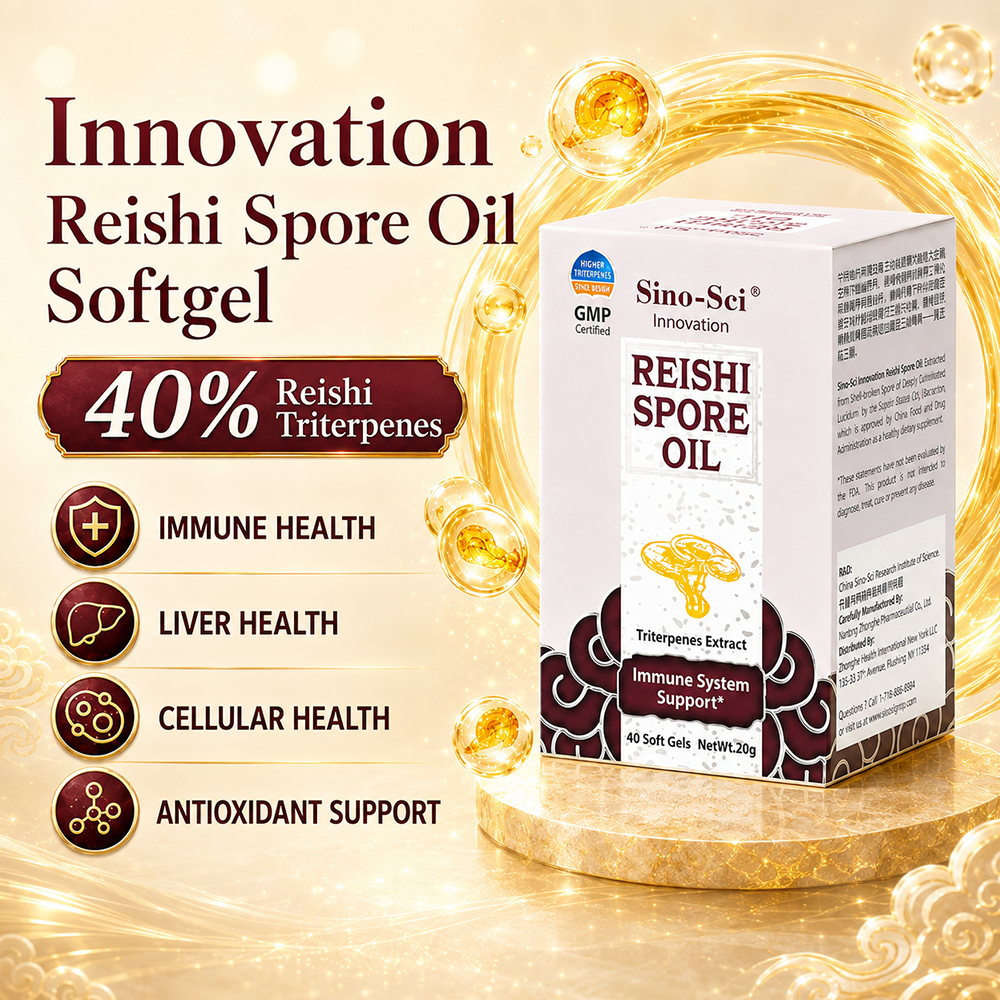
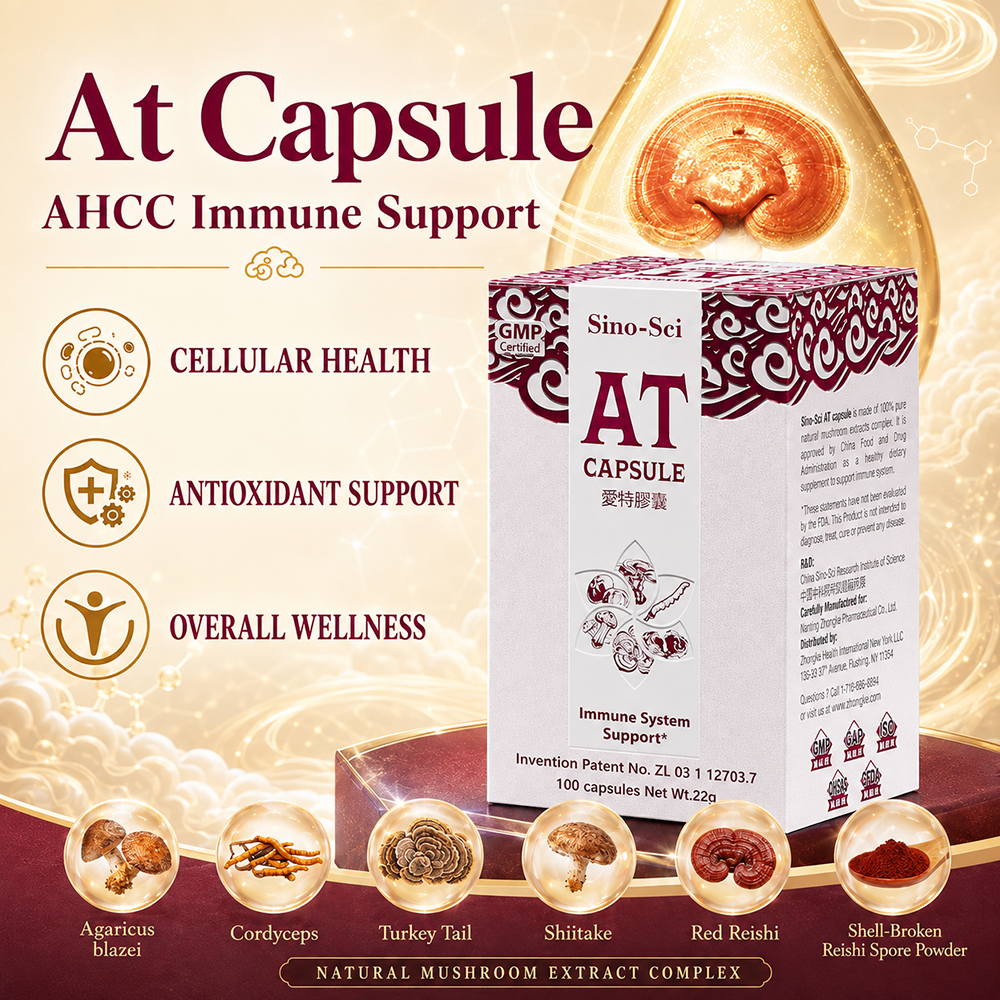
 AT Capsules




 English
 中文
中文



Cordyceps: Nature’s Energy Mushroom
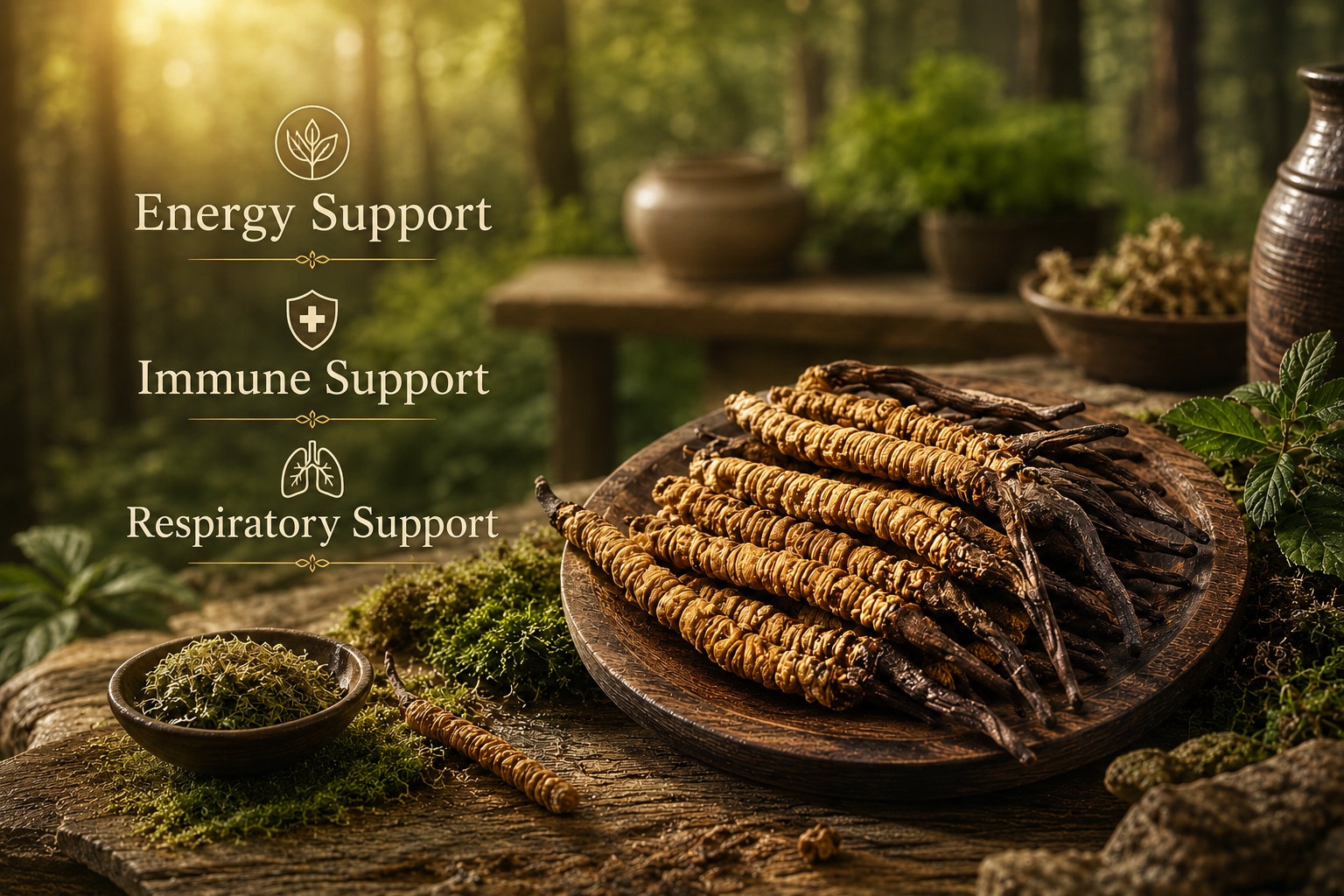
For centuries, Cordyceps has been one of the most fascinating natural substances in traditional Asian wellness practices.
Known in Chinese as Dong Chong Xia Cao (冬虫夏草)—literally “winter worm, summer grass”—Cordyceps earned its unusual name from its remarkable life cycle in the high-altitude regions of Asia.
Traditionally valued for vitality, stamina, and physical well-being, Cordyceps has moved from ancient herbal traditions into the world of modern scientific research.
But what exactly is Cordyceps, and what makes it so unique?
What Is Cordyceps?
Cordyceps refers to a group of fungi with an extraordinary relationship with insects.
The most famous traditional species is Ophiocordyceps sinensis, historically known as Cordyceps sinensis. It occurs naturally in high-altitude regions of the Tibetan Plateau and surrounding Himalayan areas.
Unlike ordinary mushrooms growing from soil or wood, wild Cordyceps develops through a unique biological relationship between the fungus and insect larvae.
This unusual natural origin, combined with its limited habitat and difficult harvesting conditions, made wild Cordyceps extremely rare and valuable.
Today, modern cultivation and fermentation technologies also make it possible to produce Cordyceps-derived ingredients without relying exclusively on wild-harvested material.
A Tradition Rooted in Vitality
Cordyceps has a long history in traditional Chinese wellness practices, where it has traditionally been associated with energy, endurance, respiratory health, and overall vitality.
Its reputation eventually attracted the attention of modern researchers, who began investigating the naturally occurring compounds responsible for its biological properties.
Today, Cordyceps is widely used in dietary supplements and functional foods designed to support energy, exercise performance, stamina, and general wellness.
What Makes Cordyceps Special?
Modern research has identified numerous naturally occurring compounds in Cordyceps. Among the most widely studied are:
Cordycepin
Cordycepin (3'-deoxyadenosine) is one of the best-known bioactive compounds associated with certain Cordyceps species.
Its molecular structure is similar to adenosine, an important molecule involved in numerous biological processes.
Cordycepin has become an important subject of laboratory research exploring cellular signaling, metabolism, and other biological activities.
Importantly, cordycepin levels can vary substantially among different Cordyceps species and preparations.
Adenosine
Adenosine is a naturally occurring compound involved in cellular energy metabolism and many physiological processes.
It is one of the characteristic compounds frequently studied and measured in Cordyceps materials.
Because adenosine plays an important role in normal cellular function, its presence has contributed to scientific interest in Cordyceps and its traditional association with vitality.
Cordyceps Polysaccharides
Like many functional mushrooms and fungi, Cordyceps contains a variety of polysaccharides.
These complex carbohydrates are studied for their potential interactions with normal immune activity and other biological processes.
The composition and concentration of these polysaccharides can vary depending on species, cultivation conditions, extraction methods, and processing.
Cordyceps and Natural Energy
Perhaps the best-known modern use of Cordyceps is related to energy and physical performance.
Instead of acting like a traditional stimulant such as caffeine, Cordyceps has attracted scientific interest because of its relationship with cellular energy metabolism.
Researchers have investigated Cordyceps preparations in connection with oxygen utilization, exercise capacity, endurance, and energy production.
Research results vary depending on the Cordyceps preparation, dosage, population, and study design, so Cordyceps should not be viewed as an instant stimulant or guaranteed performance enhancer.
Its reputation is better understood as part of a broader interest in supporting natural energy and physical vitality.
Cordyceps and Respiratory Wellness
Cordyceps also has a long traditional association with respiratory health.
This historical use has encouraged researchers to investigate Cordyceps-derived compounds and their interactions with normal respiratory and physiological functions.
Today, respiratory wellness remains one of the important areas associated with Cordyceps research, alongside energy metabolism, exercise performance, and immune function.
Cordyceps and Immune Function
Polysaccharides and other naturally occurring compounds in Cordyceps have also been studied for their interactions with the immune system.
Rather than describing Cordyceps simply as an “immune booster,” modern research often focuses on its potential immunomodulatory properties—how different compounds may interact with normal immune responses and immune-cell activity.
This has made Cordyceps another important member of the growing field of functional mushroom and fungal research.
Wild Cordyceps vs. Cultivated Cordyceps
Not every product labeled “Cordyceps” is the same.
Traditional wild Ophiocordyceps sinensis is naturally scarce and grows under highly specific environmental conditions. As global demand increased, researchers developed cultivation and fermentation methods to produce Cordyceps-derived ingredients more sustainably and consistently.
Another species, Cordyceps militaris, is also widely cultivated and studied today and is particularly well known as a source of cordycepin.
The two should not automatically be considered identical.
Species, strain, cultivation method, fungal material used, extraction technology, and standardization can all influence the final chemical composition of a Cordyceps product.
Not All Cordyceps Extracts Are Equal
When evaluating Cordyceps, the number of milligrams on the label tells only part of the story.
Important factors can include:
-
Cordyceps species and strain
-
Wild or cultivated source
-
Fruiting body or cultured fungal material
-
Cultivation and fermentation methods
-
Extraction process
-
Extraction ratio
-
Polysaccharide content
-
Adenosine content
-
Cordycepin content
-
Purity and quality-control standards
Understanding these factors provides a much clearer picture of what is actually inside a Cordyceps supplement.
Ancient Tradition Meets Modern Science
Few natural substances have a story quite like Cordyceps.
From the remote highlands of Asia to modern research laboratories around the world, this extraordinary fungus has fascinated generations.
Its traditional reputation for energy, stamina, and vitality has inspired scientists to investigate its adenosine, cordycepin, polysaccharides, and other naturally occurring compounds.
Modern science continues to explore how these compounds interact with the human body and what role Cordyceps may play in nutrition and wellness.
From ancient mountain traditions to modern functional nutrition, Cordyceps remains one of nature’s most fascinating examples of the connection between traditional knowledge and scientific discovery.