Stomach Care
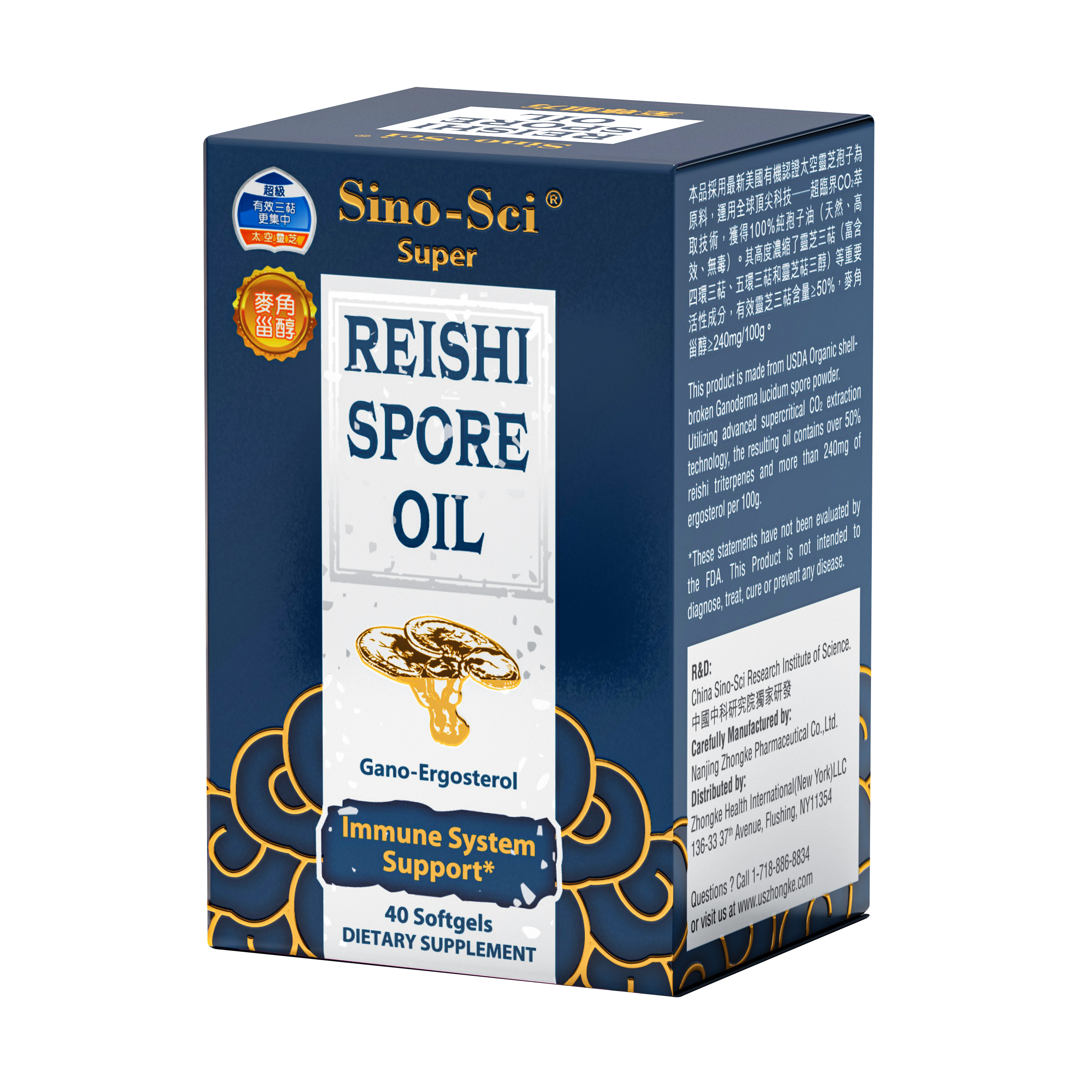
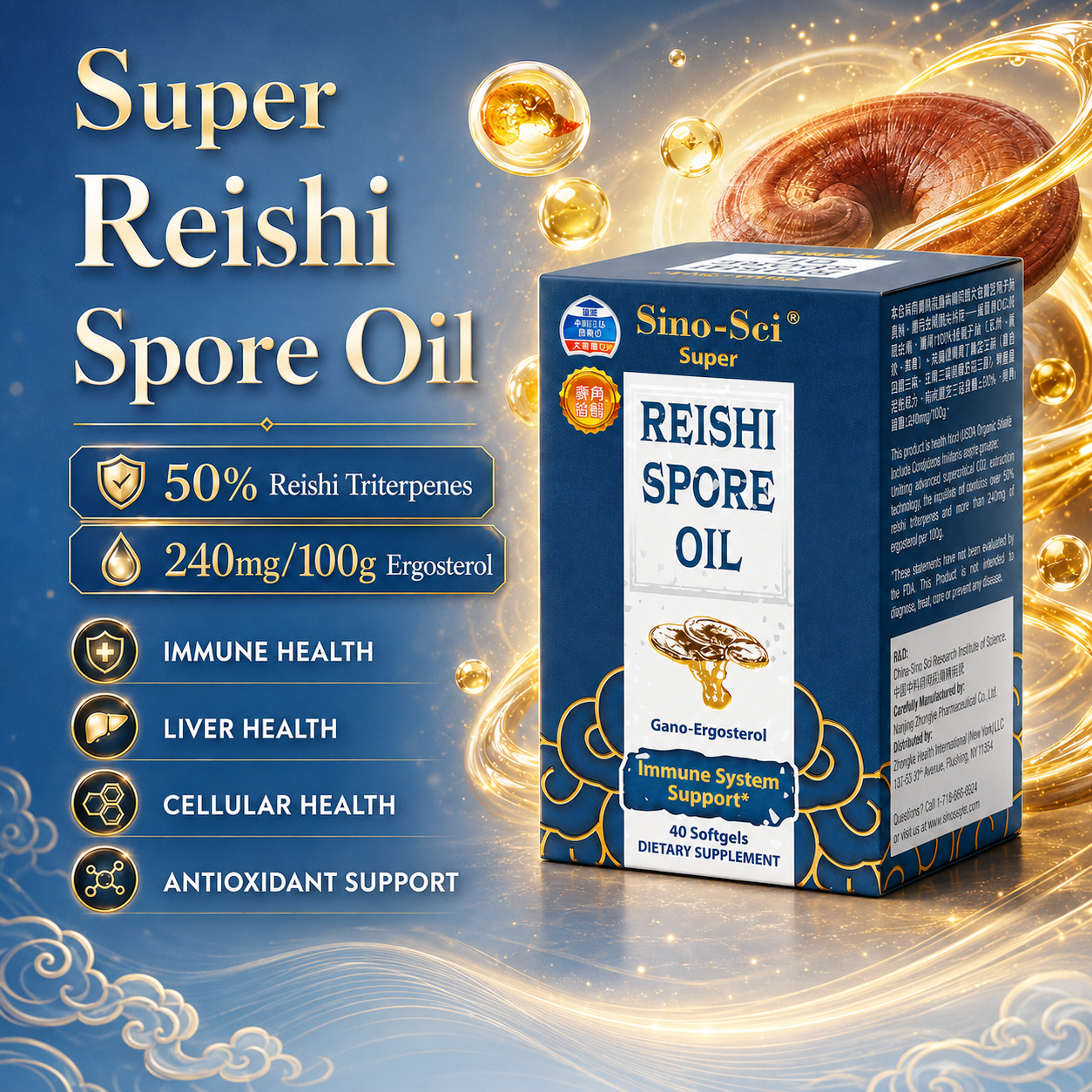
 Super Reishi Spore Oil
 3G Cordyceps
 Reishi Mushroom Spore
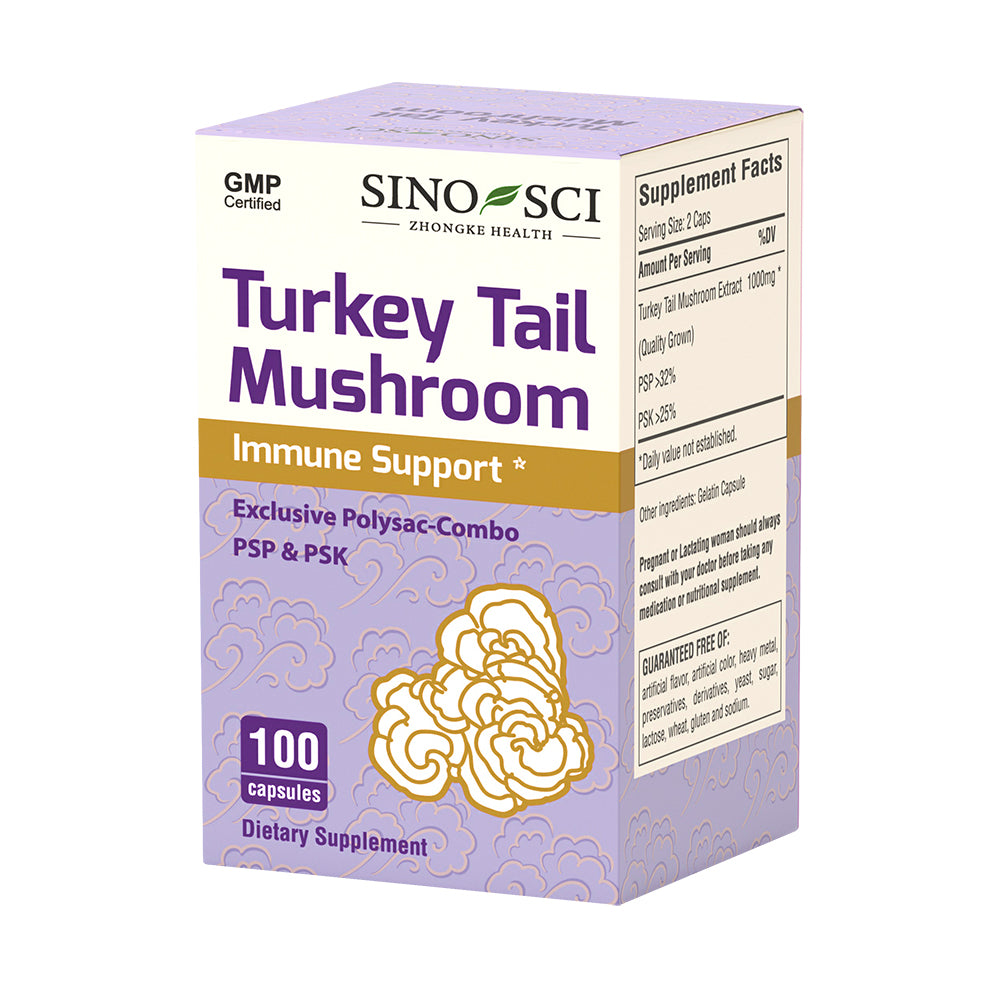
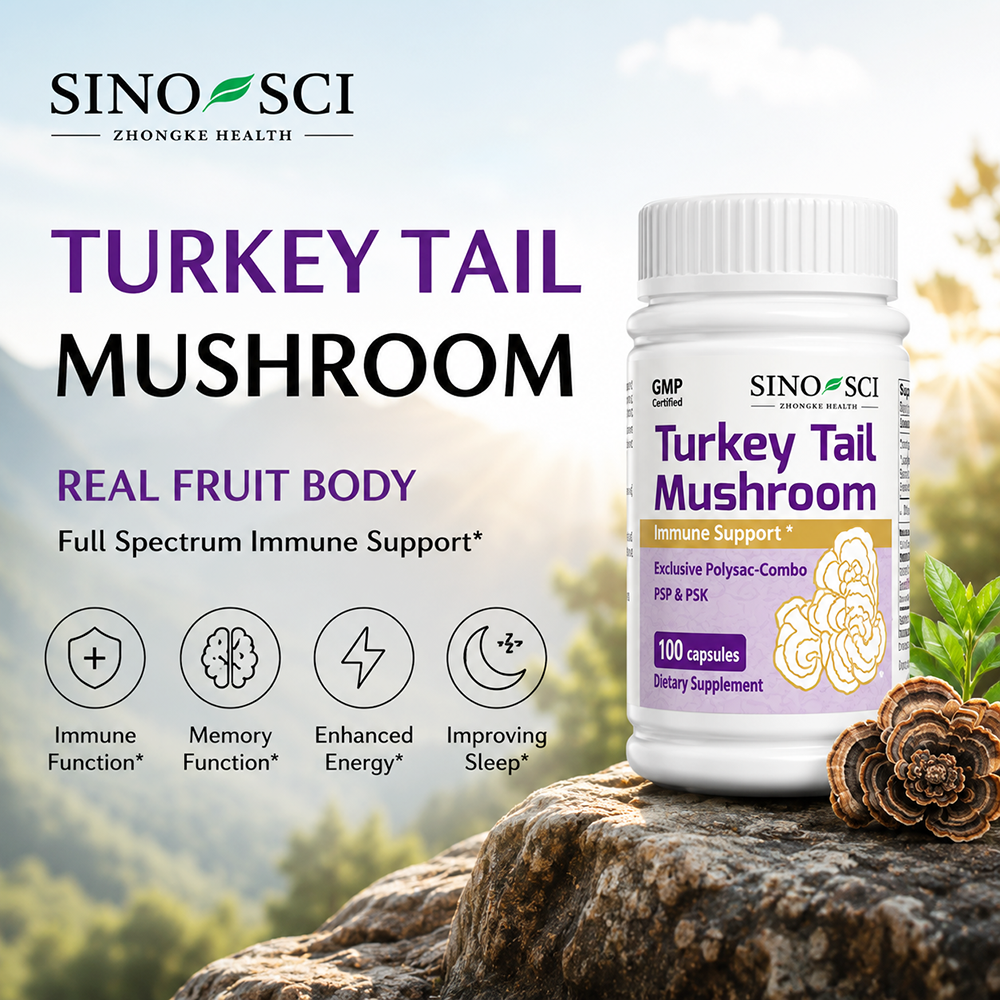
 Turkey Tail Mushroom
 AT Capsules




 English
 中文
中文



PSP & PSK: The Power of Turkey Tail
PSP & PSK: The Power of Turkey Tail
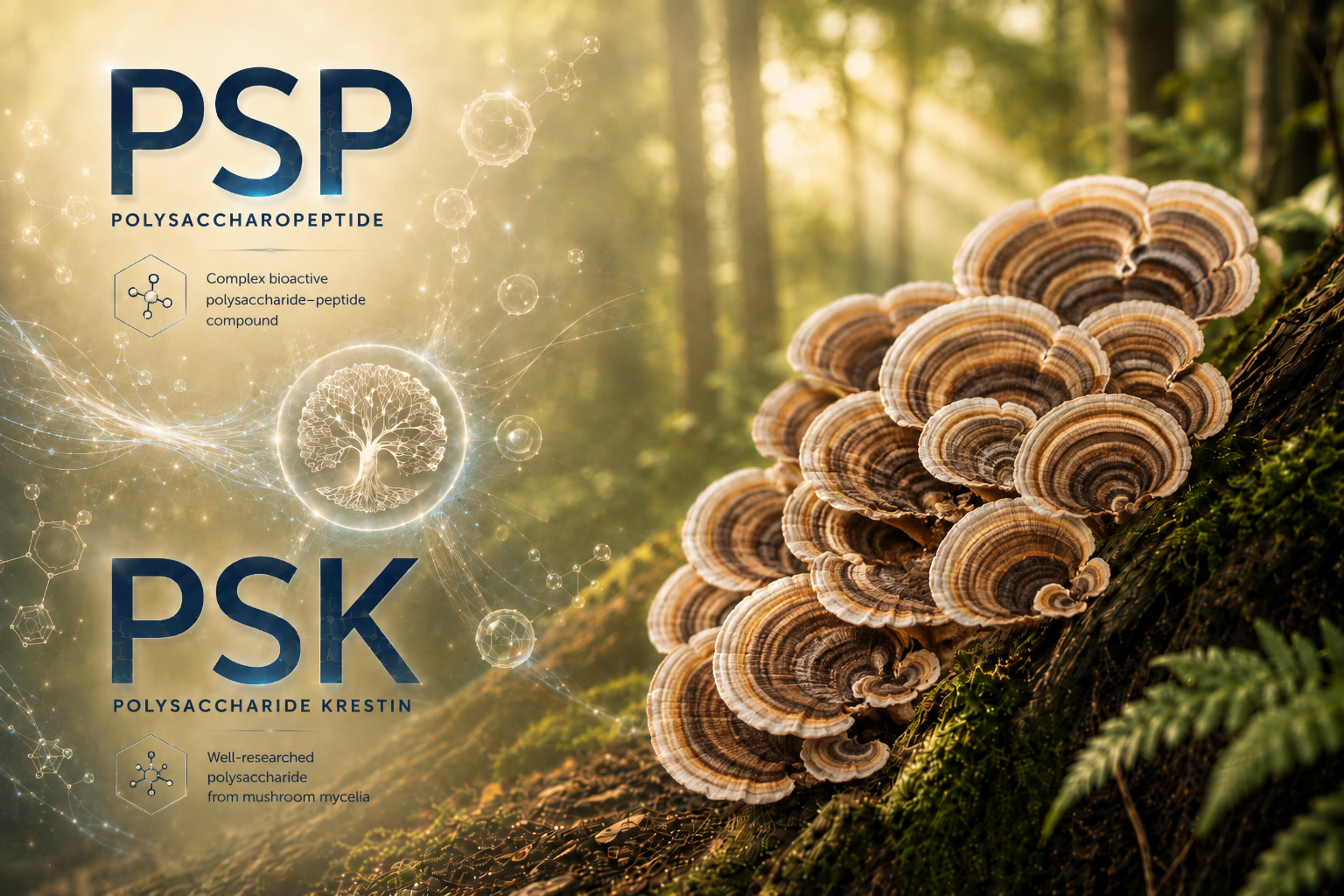
With its colorful, fan-shaped layers resembling the tail of a wild turkey, Turkey Tail mushroom is one of the most recognizable functional mushrooms in the world.
Scientifically known as Trametes versicolor (and historically as Coriolus versicolor), Turkey Tail has a long history of traditional use in East Asia. Today, it is also one of the most extensively studied medicinal mushrooms, largely because of two remarkable compounds: PSP and PSK.
But what exactly are PSP and PSK—and what makes them different from ordinary mushroom polysaccharides?
What Are PSP and PSK?
PSP (Polysaccharopeptide) and PSK (Polysaccharide-K) are complex, protein-bound polysaccharide preparations derived from Turkey Tail mushroom.
They are not simply ordinary mushroom powder, nor are they identical to beta-glucans. Instead, they contain polysaccharide structures associated with peptide or protein components.
Both PSP and PSK have attracted scientific interest because of their interactions with the immune system and their potential role in supporting normal immune function.
Although they originate from the same mushroom species, PSP and PSK are distinct preparations with different histories, compositions, and production methods.
PSP: Polysaccharopeptide
PSP, short for Polysaccharopeptide, is a well-known bioactive preparation derived from Coriolus versicolor.
Research and development of PSP became particularly prominent in China, where scientists investigated its complex polysaccharide and peptide components.
Over the years, PSP has been studied for its interactions with different components of normal immune activity, including immune cells and signaling pathways.
These characteristics have made PSP an important subject in modern research on mushroom-derived polysaccharides and immune health.
PSK: Polysaccharide-K
PSK, also known as Krestin, is another protein-bound polysaccharide preparation derived from Turkey Tail.
PSK was developed and extensively researched in Japan and has a long history of scientific and clinical investigation.
Researchers have studied PSK primarily for its immunomodulatory properties, meaning its ability to interact with and influence different aspects of normal immune function.
Its extensive research history has made PSK one of the best-known mushroom-derived polysaccharide preparations in modern science.
PSP vs. PSK
PSP and PSK are closely related, but they are not identical.
Both originate from Turkey Tail and both contain protein-associated polysaccharides. However, differences in their composition, molecular characteristics, extraction methods, and production processes distinguish them from one another.
In general:
-
PSP is especially associated with research and development in China.
-
PSK is especially associated with research and clinical investigation in Japan.
-
Both contain complex protein-bound polysaccharides.
-
Both have been extensively studied for their interactions with immune function.
-
Neither should automatically be considered equivalent to total polysaccharides or beta-glucans.
Understanding these differences is important when evaluating Turkey Tail extracts.
PSP, PSK & Beta-Glucans
One common misconception is that PSP, PSK, polysaccharides, and beta-glucans are simply different names for the same compounds.
They are not.
Beta-glucans are a specific class of polysaccharides naturally found in the cell walls of mushrooms, yeast, and certain grains. They are among the most widely studied components of functional mushrooms and are often used as an important quality marker for mushroom extracts.
PSP and PSK, however, are more complex protein-bound polysaccharide preparations derived specifically from Turkey Tail.
Therefore, a Turkey Tail extract containing a high percentage of beta-glucans does not automatically contain an equivalent concentration of PSP or PSK.
This distinction is especially important when comparing different Turkey Tail supplements or interpreting scientific research.
Why Is Turkey Tail So Widely Studied?
Much of the scientific interest surrounding Turkey Tail comes from its rich and complex polysaccharide profile.
Researchers have explored Turkey Tail-derived compounds in several important areas.
Immune Function
PSP, PSK, beta-glucans, and other mushroom polysaccharides have been studied for their ability to interact with receptors and cells involved in normal immune responses.
Rather than simply “boosting” immunity, researchers are particularly interested in their potential immunomodulatory activity—how they may interact with and help regulate different aspects of immune function.
Cellular Activity
Scientists continue to investigate how Turkey Tail-derived compounds interact with cellular signaling pathways and different types of immune cells.
This research has contributed significantly to modern scientific interest in functional mushrooms.
Gut & Microbiome Health
Complex mushroom polysaccharides may also interact with the intestinal environment.
Because some of these compounds are not fully digested in the upper gastrointestinal tract, researchers are studying how they interact with the gut microbiome and whether these interactions may contribute to their broader biological effects.
Not All Turkey Tail Extracts Are Equal
The words “Turkey Tail” on a supplement label do not necessarily mean that every product contains the same compounds or provides the same concentration.
The final composition of an extract can vary depending on:
-
Mushroom strain and source
-
Fruiting body or mycelium
-
Cultivation conditions
-
Extraction technology
-
Extraction ratio
-
Polysaccharide content
-
Beta-glucan concentration
-
Protein-bound polysaccharide profile
-
Purity and quality-control standards
For this reason, evaluating a Turkey Tail product requires more than simply looking at the number of milligrams listed on the label.
Understanding the source, extraction process, standardization, and active-compound profile provides a much clearer picture of the quality of a Turkey Tail extract.
From Traditional Wisdom to Modern Science
Turkey Tail has traveled an extraordinary path.
For generations, it was valued within traditional East Asian practices. Today, scientists can examine its polysaccharides, beta-glucans, PSP, PSK, and other naturally occurring compounds at the molecular level.
The discovery and study of PSP and PSK played an important role in bringing Turkey Tail into modern scientific research.
Rather than viewing Turkey Tail as simply another mushroom, researchers began examining the individual compounds responsible for its unique biological properties.
More Than a Colorful Mushroom
Behind the beautiful concentric rings of Turkey Tail lies a remarkably complex natural chemistry.
PSP and PSK represent two of its most fascinating and extensively researched components, helping scientists better understand how mushroom-derived polysaccharides interact with the human body.
From traditional use to modern laboratories, Turkey Tail continues to connect centuries of natural knowledge with the evolving science of functional mushrooms.