Stomach Care
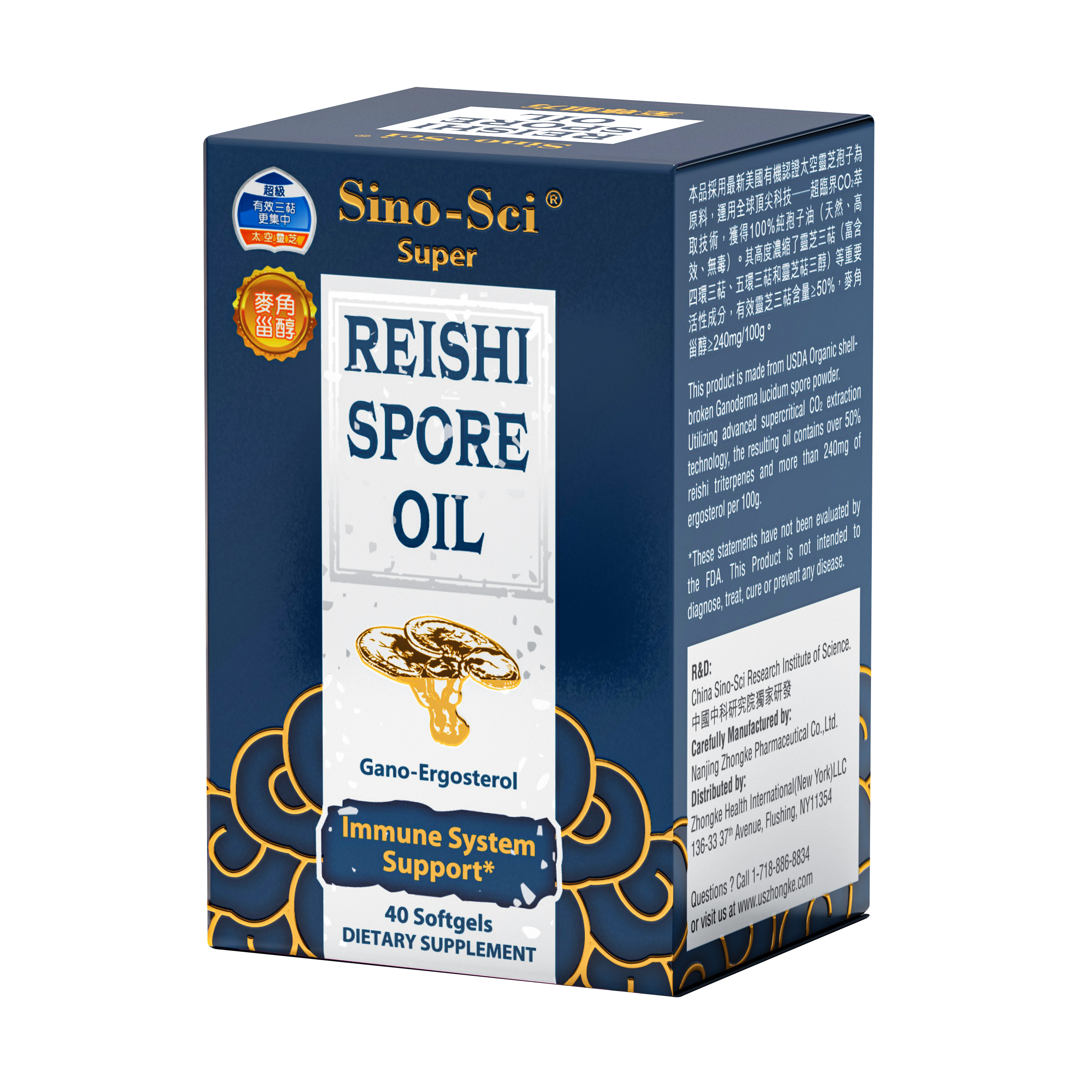
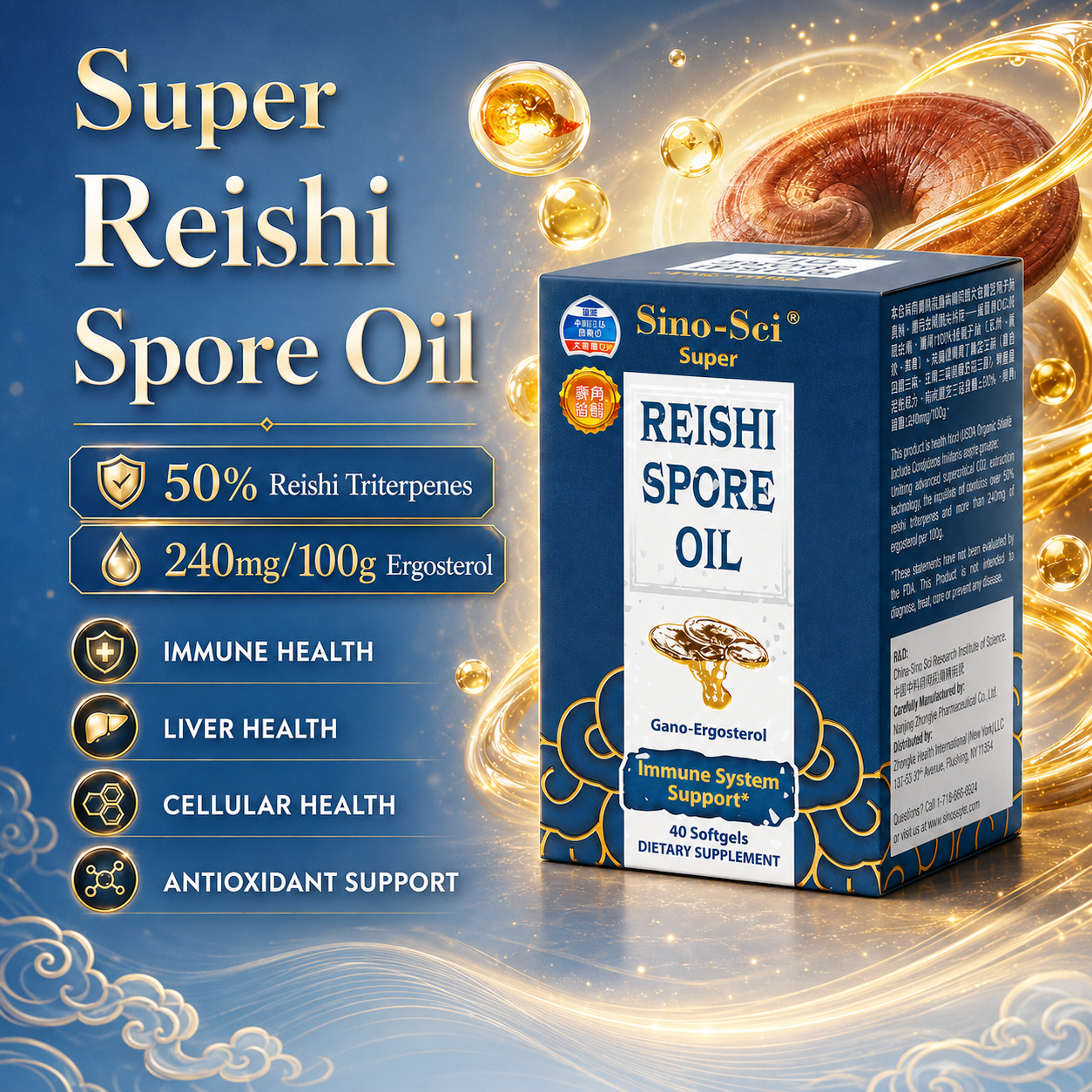
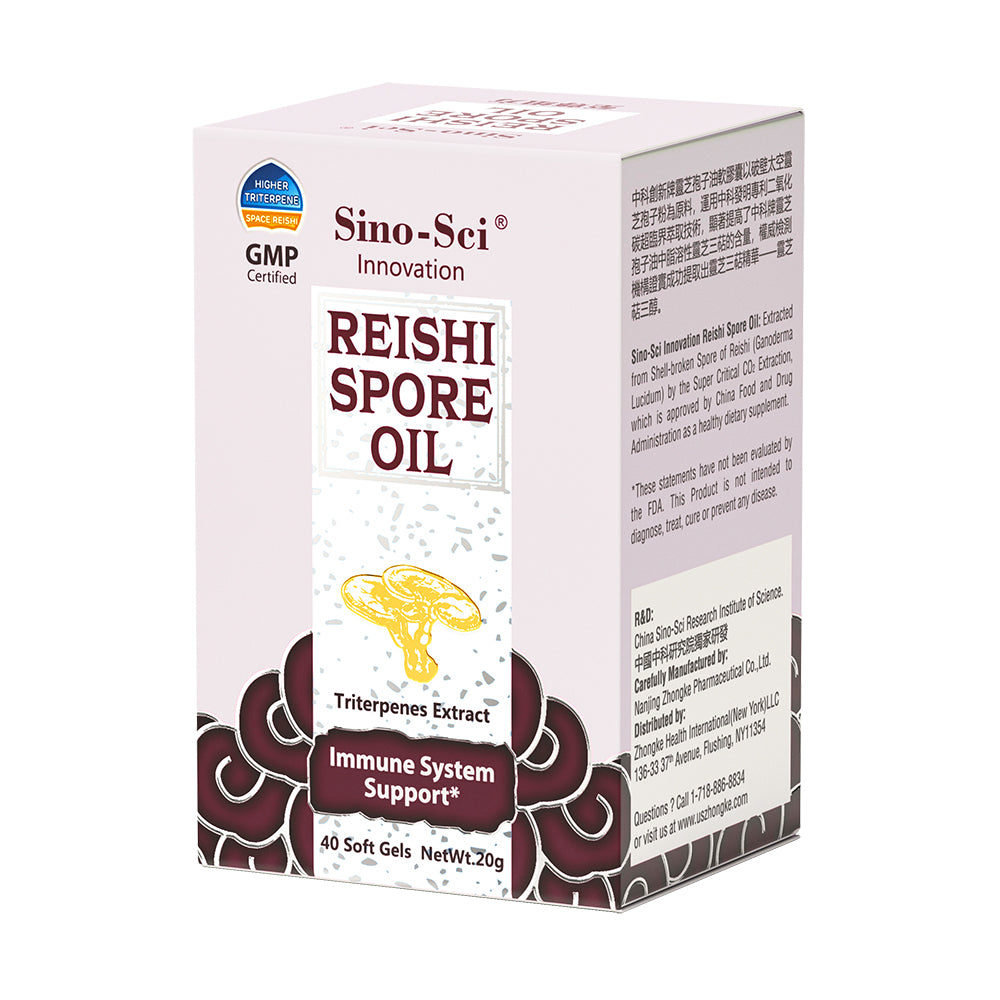
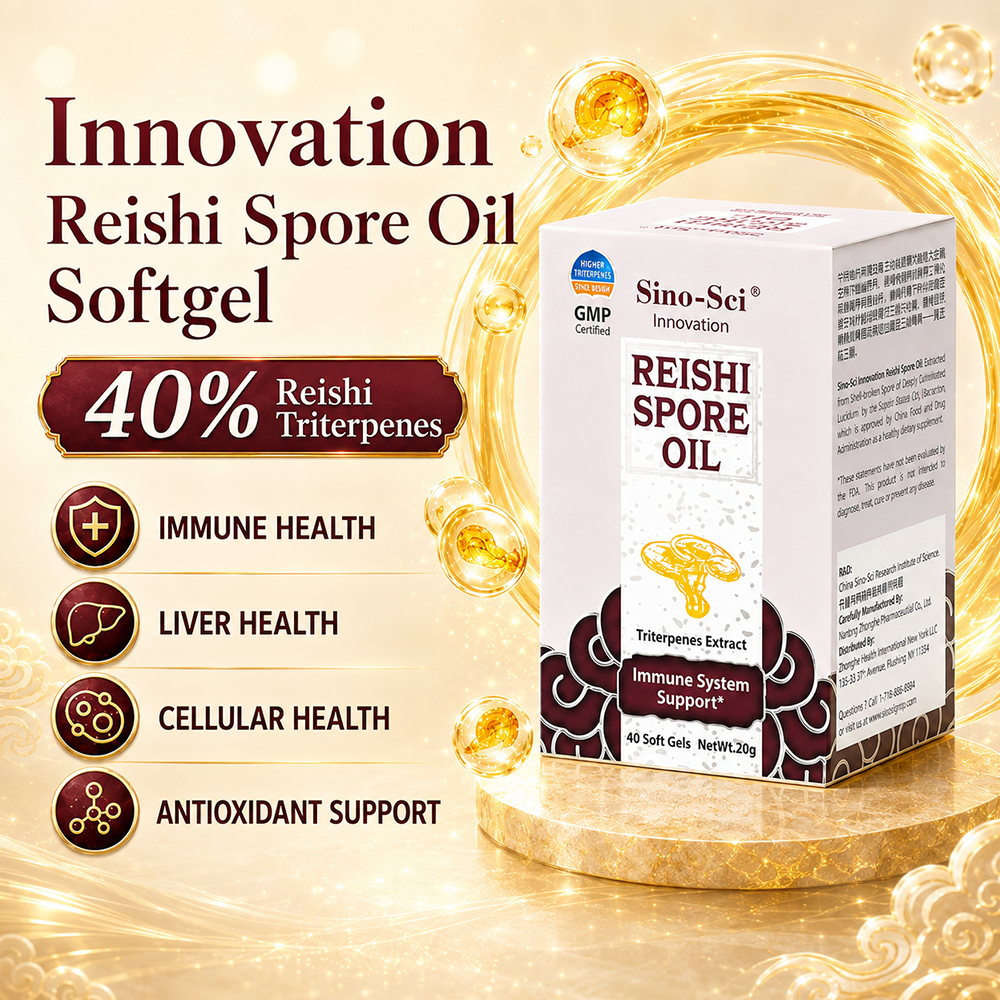
 Super Reishi Spore Oil
 3G Cordyceps
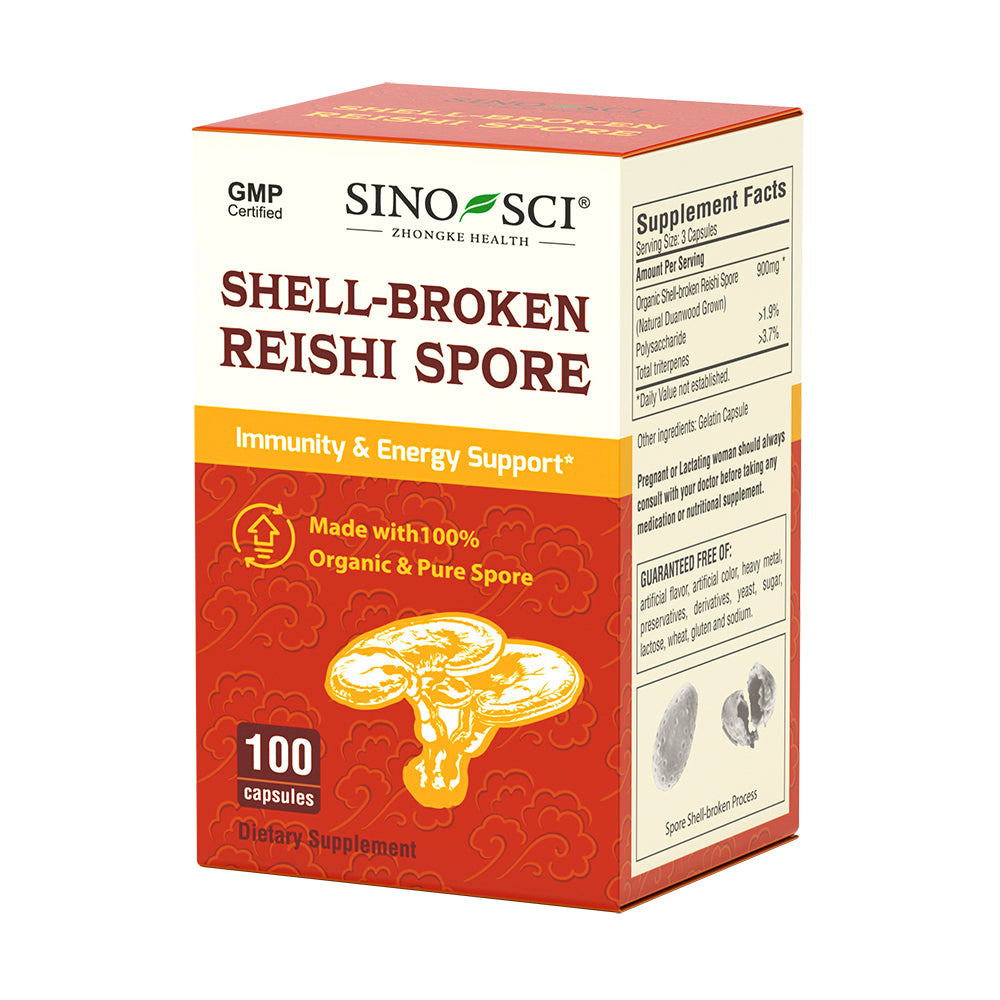
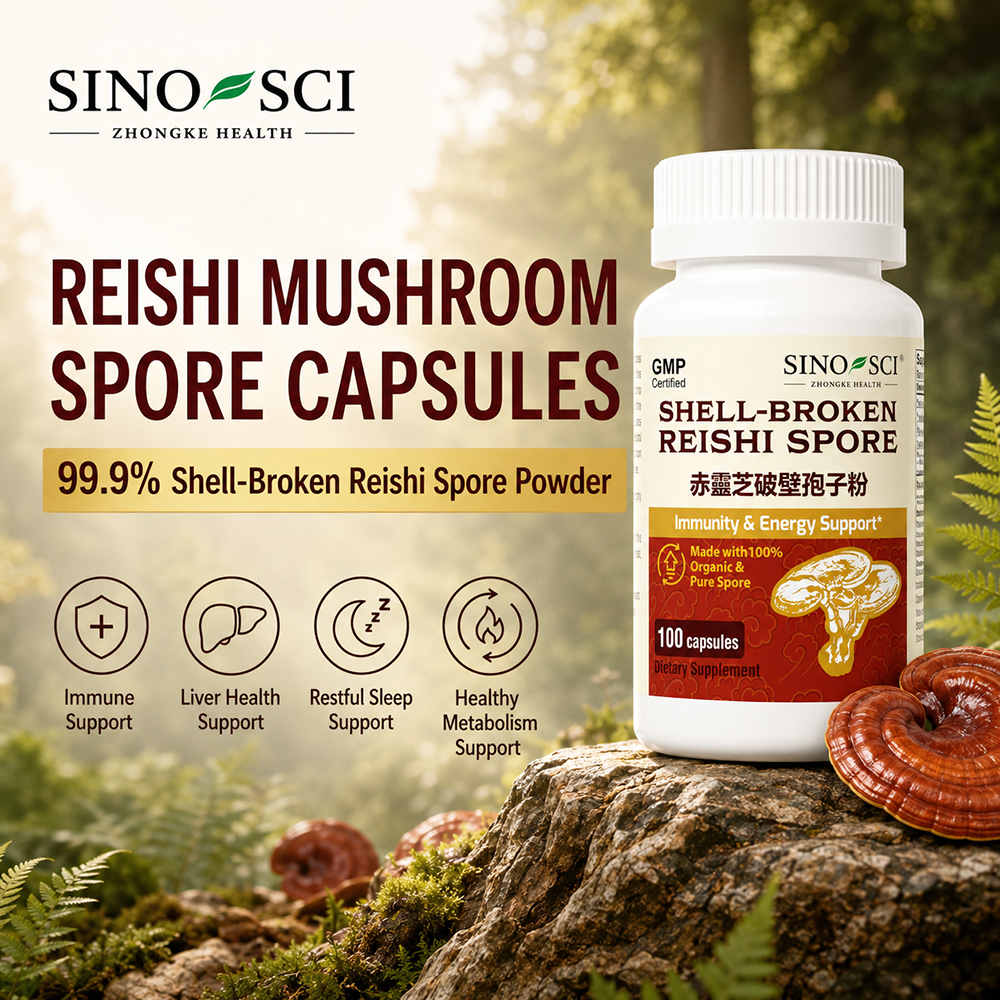
 Reishi Mushroom Spore
 Turkey Tail Mushroom
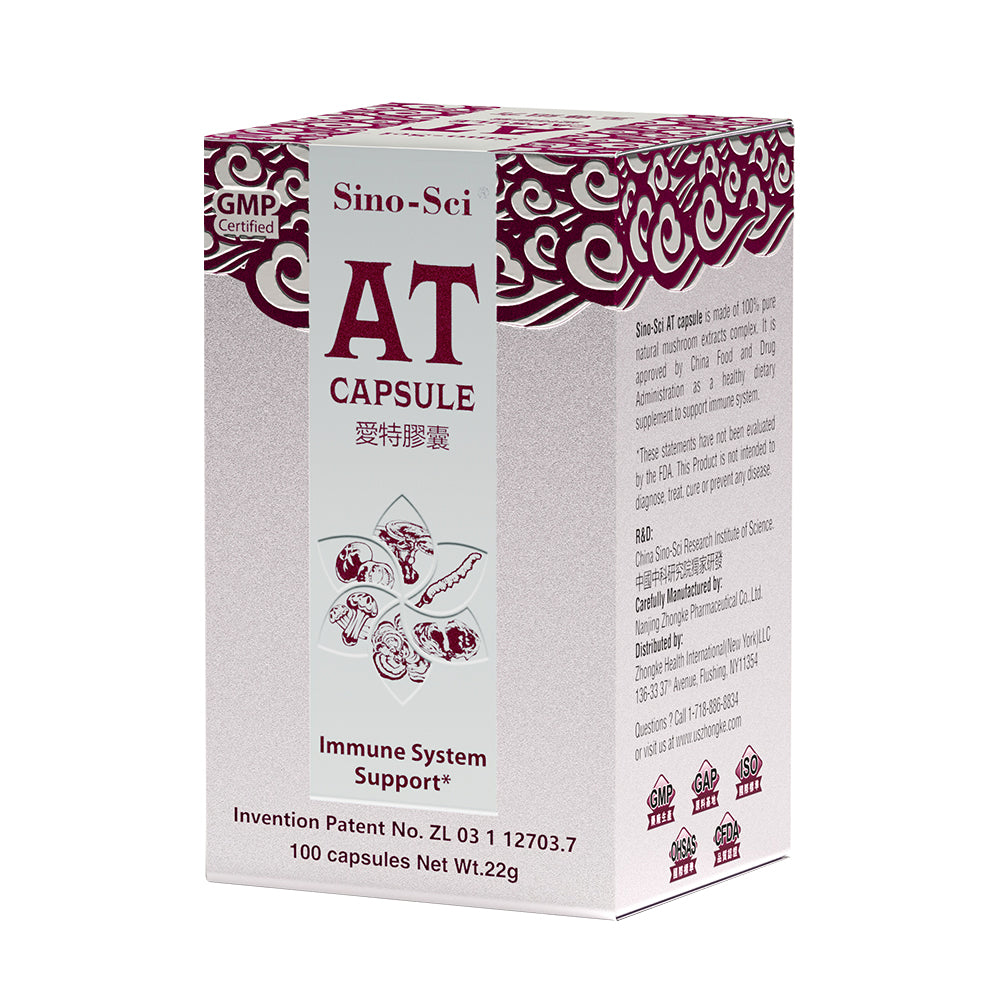
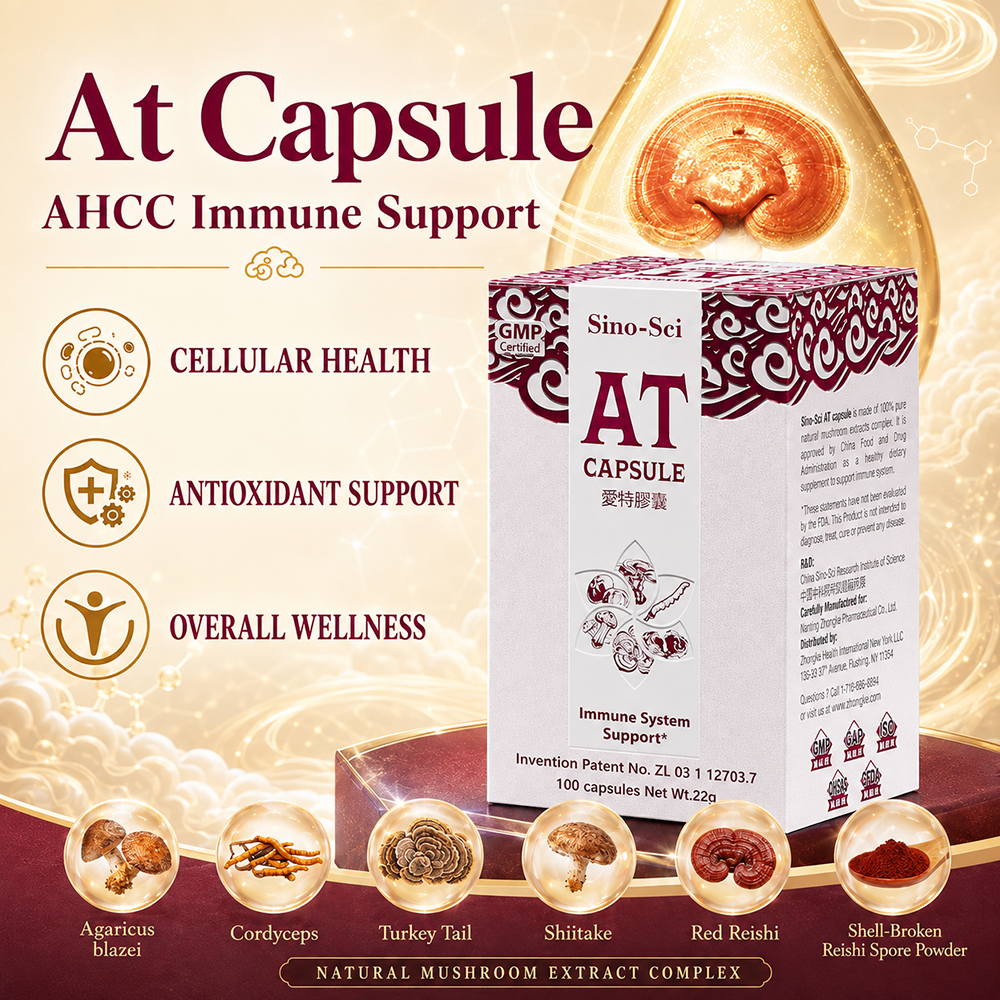
 AT Capsules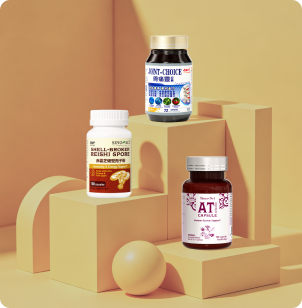




 English
 中文
中文



Reishi: The Mushroom of Immortality
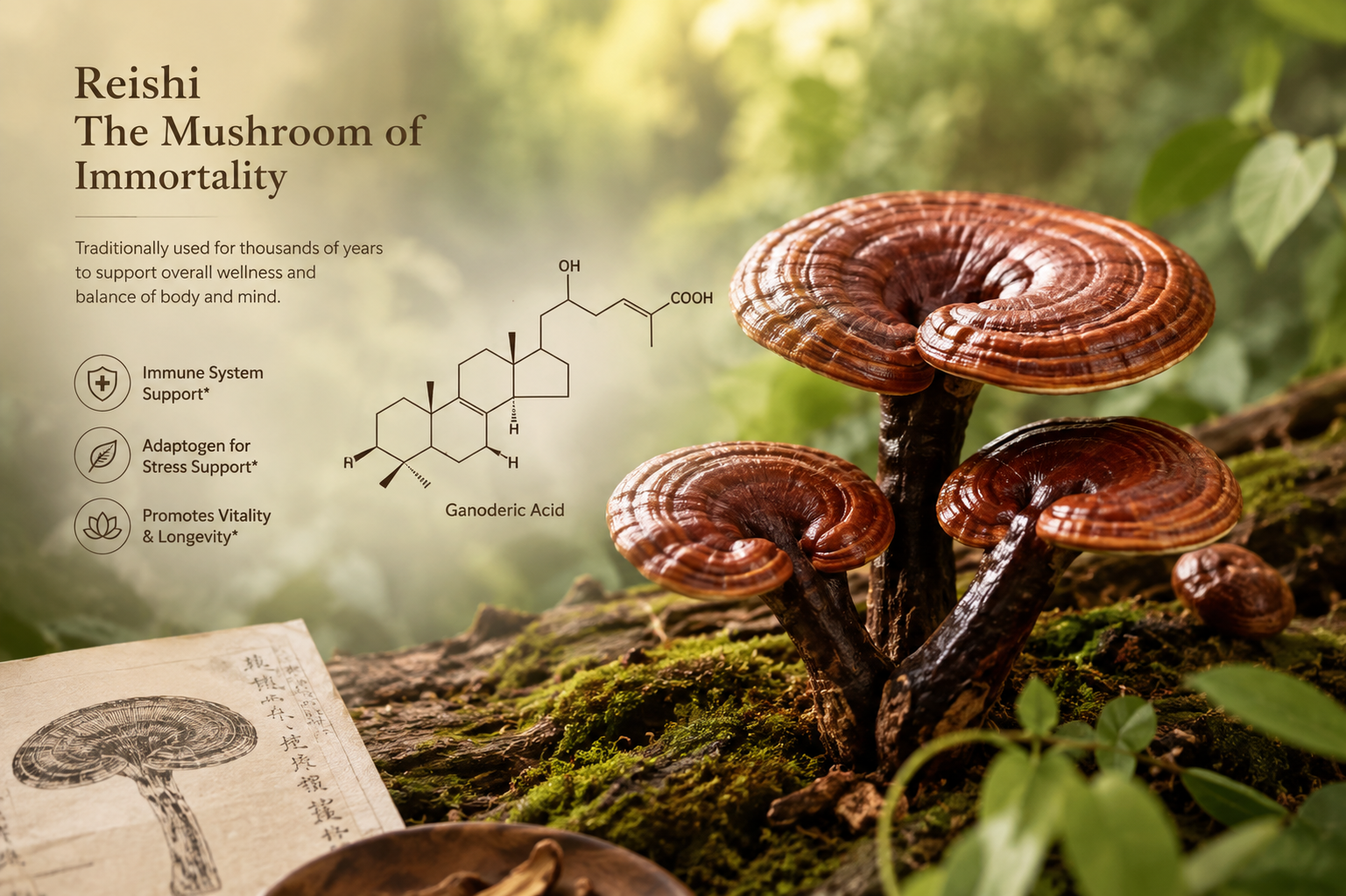
Reishi: The Mushroom of Immortality
For thousands of years, Reishi has held a special place in traditional East Asian culture. Known in China as Lingzhi (灵芝) and scientifically as Ganoderma lucidum, this distinctive reddish-brown mushroom has long been associated with health, vitality, longevity, and well-being. Its remarkable reputation eventually earned it one of its most famous names: “The Mushroom of Immortality.”
But what makes Reishi so unique? Beyond its ancient reputation, modern science has begun exploring the naturally occurring compounds that give this legendary mushroom its enduring appeal.
An Ancient Symbol of Health and Longevity
Reishi has been documented in traditional Chinese herbal literature for centuries and was historically regarded as a rare and valuable natural substance.
Unlike ordinary culinary mushrooms, Reishi has a firm, woody texture and a naturally bitter taste. In the wild, it grows on certain hardwood trees and is recognized by its glossy, lacquer-like surface, often displaying beautiful shades of deep red, reddish brown, and amber.
Because wild Reishi was once difficult to find, it became closely associated with rarity, longevity, and good fortune. Images of Lingzhi can even be found throughout traditional Chinese art, architecture, and decorative objects, where the mushroom often symbolizes a long and healthy life.
What Makes Reishi Special?
Modern research has identified a wide range of naturally occurring compounds in Reishi. Among the most studied are:
Polysaccharides
Reishi contains complex polysaccharides, including beta-glucans, which are widely studied for their interaction with the immune system. Beta-glucans are also naturally found in other medicinal mushrooms, yeast, and certain grains.
Triterpenoids
Reishi is particularly well known for its naturally occurring triterpenoids, including compounds known as ganoderic acids. These compounds contribute to Reishi’s characteristic bitter taste and are an important area of scientific research.
Sterols and Other Bioactive Compounds
Reishi also naturally contains sterols, amino acids, proteins, minerals, and various other compounds. One naturally occurring fungal sterol is ergosterol, a compound commonly found in mushrooms and fungi.
Together, these components have made Reishi an increasingly interesting subject in modern mushroom and natural-product research.
Reishi and Immune Health
One of the most widely studied areas of Reishi is its relationship with immune function.
Rather than thinking of Reishi simply as an “immune booster,” researchers are interested in how its polysaccharides and other bioactive compounds may interact with different components of normal immune activity.
This is why Reishi is commonly included in mushroom-based dietary supplements designed to support normal immune function, everyday wellness, and overall vitality.
However, it is important to distinguish nutritional and wellness support from medical treatment. Reishi is not a substitute for professional medical care or prescribed therapies.
From Traditional Lingzhi to Modern Reishi Extracts
Traditionally, dried Reishi was sliced and simmered in water to prepare teas or herbal decoctions. Today, advances in cultivation and extraction technology have made Reishi available in many different forms, including:
-
Reishi fruiting body powder
-
Concentrated Reishi extracts
-
Reishi spore powder
-
Broken-cell-wall Reishi spore powder
-
Reishi spore oil
-
Capsules, powders, and functional beverages
These forms are not necessarily equivalent. Their composition can vary significantly depending on the species, cultivation conditions, part of the mushroom used, extraction process, and concentration of active compounds.
For this reason, modern Reishi products are increasingly evaluated not simply by how many milligrams of mushroom they contain, but also by their source, extraction method, quality standards, and levels of key naturally occurring compounds.
Reishi in the Modern World
Today, Reishi has traveled far beyond its traditional roots.
It can now be found in dietary supplements, mushroom extracts, functional foods, teas, coffees, and wellness products around the world. At the same time, scientists continue to investigate its polysaccharides, triterpenoids, sterols, and other naturally occurring constituents.
Modern research does not turn the ancient legend of the “Mushroom of Immortality” into a literal promise of immortality. Instead, it provides a new way to understand why this extraordinary mushroom has fascinated people for generations.
Ancient Wisdom, Modern Curiosity
Perhaps the most fascinating thing about Reishi is the connection it creates between traditional knowledge and modern science.
For centuries, Lingzhi represented longevity, vitality, and harmony with nature. Today, researchers can examine its chemical composition and biological properties with tools that ancient herbalists could never have imagined.
Reishi may not literally grant immortality, but its extraordinary history, distinctive natural compounds, and continuing scientific interest have ensured that its ancient title lives on.
From a rare treasure of the forest to one of the world’s most recognized functional mushrooms, Reishi remains a remarkable example of how traditional botanical knowledge continues to inspire modern scientific discovery.